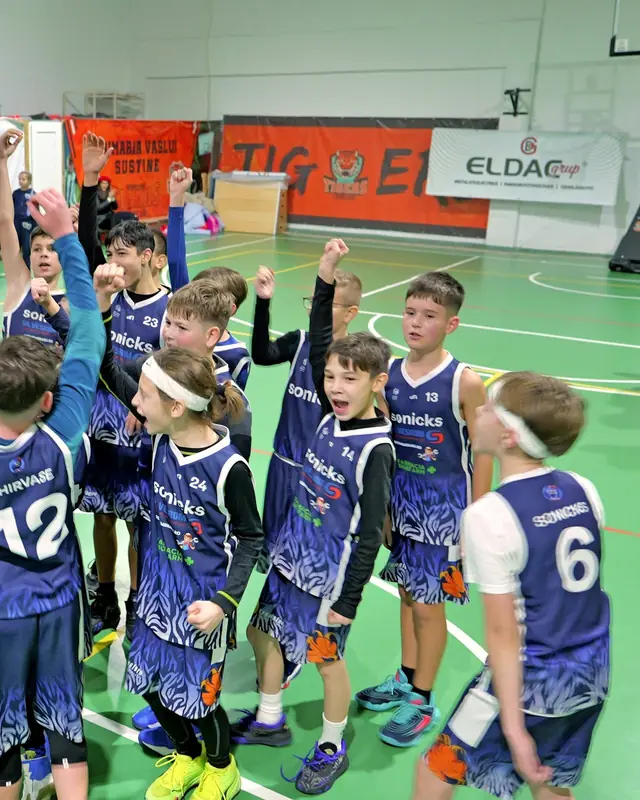
Being a good teammate is harder than it looks
Young players hear “be a good teammate” all the time, and few are ever shown what it takes.
23 sec
Doubt spreads through a team
In an experiment with 144 young soccer players, teams whose leader sounded confident finished a passing drill almost 23 seconds faster. Teams whose leader voiced doubt barely improved.
faster with a confident teammate leading
72
Players stop believing in themselves
Players and coaches ranked 72 things that raise or lower a team's confidence. Among the worst were negative talk, slumped body language and anger at a teammate's mistake.
sources of team confidence, ranked by players and coaches
44%
No player should have to wait for the captain to lead
When researchers asked 4,451 players and coaches who led their teams, 44% said the captain was not the top leader in any of four leadership roles. Leaders came from all over the roster.
said the captain was not the top leader in any role
One comment from a teammate changed how I played
In my sophomore year, I played on our basketball team. During a practice scrimmage, I missed a shot, and a teammate snapped, “Just pass the ball next time.” A few plays later, I had the ball again. I hesitated instead of shooting, because I was scared of missing and being criticized again.
I knew I had made a mistake. I didn't need someone on my own team to embarrass me over it.
I'm Livia McGraw. I've played sports since first grade, I play tennis, and I'm president of my school's National Honor Society. I read the peer-reviewed research on how teammates affect each other's confidence, turned it into six habits young players can use, and taught them at a basketball academy.
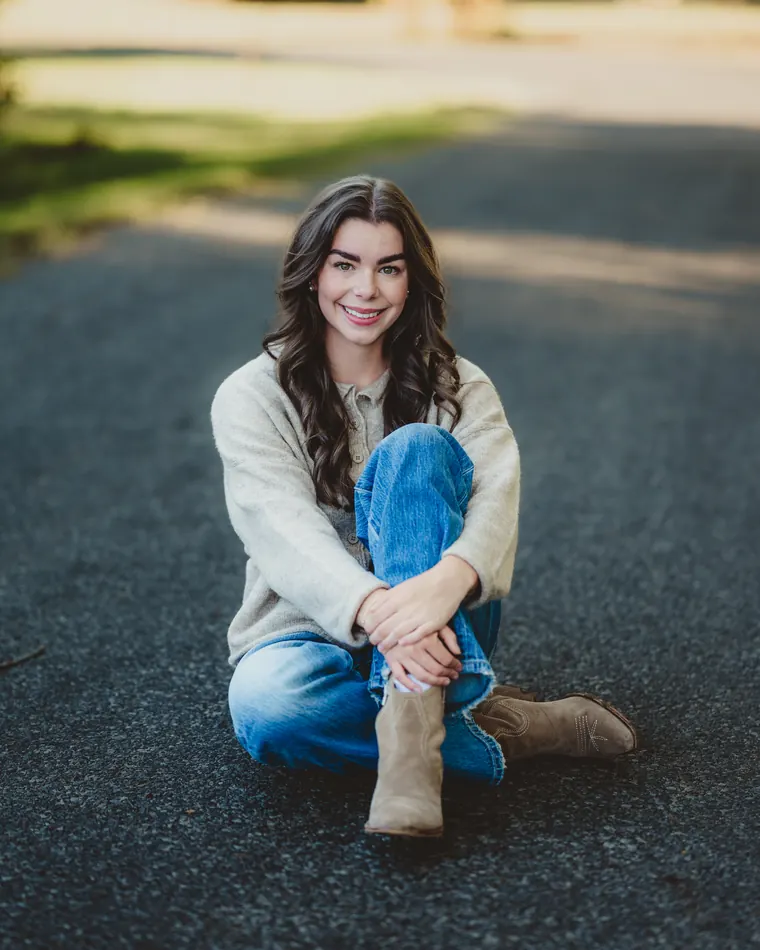
My talk at the basketball academy
In the fall of 2026, Coach Young gave me time with a group of young players at the basketball academy. My goal was for every player to leave able to spot two unhelpful teammate behaviors and replace them with a helpful phrase or action.
I opened with my scrimmage story. Then we went through what the research says about support and communication, picked out the unhelpful behavior in one movie clip, watched good teamwork in another, and split into three groups to work through game situations.
I taught two skills: use helpful words like “Next play” and “What do you need?”, and after a mistake, reset and focus on what happens next.
Three steps to becoming the teammate everyone wants
It starts at your next practice.
-
Download the handout
It's free: six habits from the research, with goal cards on the last page.
-
Pick one habit
Write down one thing you'll do at practice this week on a goal card, and keep it in your bag.
-
Enjoy a team that believes
Play on a team that trusts each other and plays better because of it.
Six habits from the research
Each one in the handout shows what scientists found and what it looks like at practice, in a game and at school.
Believe in your team out loud
Teams with a confident teammate leader finished a passing drill almost 23 seconds faster.
Tell teammates what they do well
Players whose teammate cheered on their skills cut 13 seconds off a drill. Players without that teammate improved by 1.
Watch what your body says
Players felt less sure about their own penalty kick after watching a teammate hang their head.
Pass kindness on
Hockey players ages 11 to 17 were kinder to teammates on days their teammates were kind to them.
Lead from wherever you are
Leaders came from all over the roster. You don't need to be the captain or the best scorer.
Make it safe to make mistakes
Teams that felt safe admitting mistakes and asking questions learned more, and the teams that learned more did better.
What one teammate can change
When nobody steps up
- One player's frustration spreads, and the whole team starts doubting itself.
- Everyone waits for the captain or the coach to fix things.
- Close games and losing streaks fall apart under pressure.
When every player leads
- The team believes it can win, and plays like it.
- Every player knows their actions help decide how the team plays.
- Practice is more fun, because sports are more fun when players like their teammates.
Start with one habit at your next practice
The handout is free, with goal cards on the last page.
Research behind the handout and my talk
- Benson, A. J., & Bruner, M. W. (2018). How teammate behaviors relate to athlete affect, cognition, and behaviors: A daily diary approach within youth sport. Psychology of Sport and Exercise, 34, 119–127.
- Edmondson, A. (1999). Psychological safety and learning behavior in work teams. Administrative Science Quarterly, 44(2), 350–383.
- Fransen, K., Boen, F., Vansteenkiste, M., Mertens, N., & Vande Broek, G. (2018). The power of competence support: The impact of coaches and athlete leaders on intrinsic motivation and performance. Scandinavian Journal of Medicine & Science in Sports, 28(2), 725–745.
- Fransen, K., Steffens, N. K., Haslam, S. A., Vanbeselaere, N., Vande Broek, G., & Boen, F. (2016). We will be champions: Leaders’ confidence in ‘us’ inspires team members’ team confidence and performance. Scandinavian Journal of Medicine & Science in Sports, 26(12), 1455–1469.
- Fransen, K., Vanbeselaere, N., De Cuyper, B., Vande Broek, G., & Boen, F. (2014). The myth of the team captain as principal leader: Extending the athlete leadership classification within sport teams. Journal of Sports Sciences, 32(14), 1389–1397.
- Fransen, K., Vanbeselaere, N., De Cuyper, B., Vande Broek, G., & Boen, F. (2015). Perceived sources of team confidence in soccer and basketball. Medicine & Science in Sports & Exercise, 47(7), 1470–1484.
- Furley, P., Moll, T., & Memmert, D. (2015). “Put your hands up in the air”? The interpersonal effects of pride and shame expressions on opponents and teammates. Frontiers in Psychology, 6, Article 1361.
- McLaren, C. D., & Spink, K. S. (2018). Team member communication and perceived cohesion in youth soccer. Communication & Sport, 6(1), 111–125.
- Weiss, M. R., Moehnke, H. J., & Kipp, L. E. (2021). A united front: Coach and teammate motivational climate and team cohesion among female adolescent athletes. International Journal of Sports Science & Coaching, 16(4), 875–885.
Talk video by my mom. Team photos: Unsplash.